Tree Health & Plant Care Services
Tree Health Management
Tree Health Management is a comprehensive approach that focuses on maintaining tree vitality, preventing diseases, and addressing potential issues before they become serious problems.
Key Components of Tree Health Management:
Regular Monitoring: Early detection of pests, diseases, and structural concerns helps prevent costly damage.
Soil & Nutrient Care: Healthy soil is essential for tree growth. Assessing soil conditions and applying the right nutrients improve tree resilience.
Pest & Disease Control: Proactive strategies help manage threats before they compromise tree health.
Pruning & Structural Support: Proper trimming and reinforcement techniques promote strong, stable growth while reducing risks.
Environmental Adaptation: Trees face changing weather, pollution, and climate stresses—management practices enhance their ability to adapt and thrive.
By prioritizing Tree Health Management, you can extend the life of your trees, improve landscape aesthetics, and contribute to a healthier ecosystem.
.
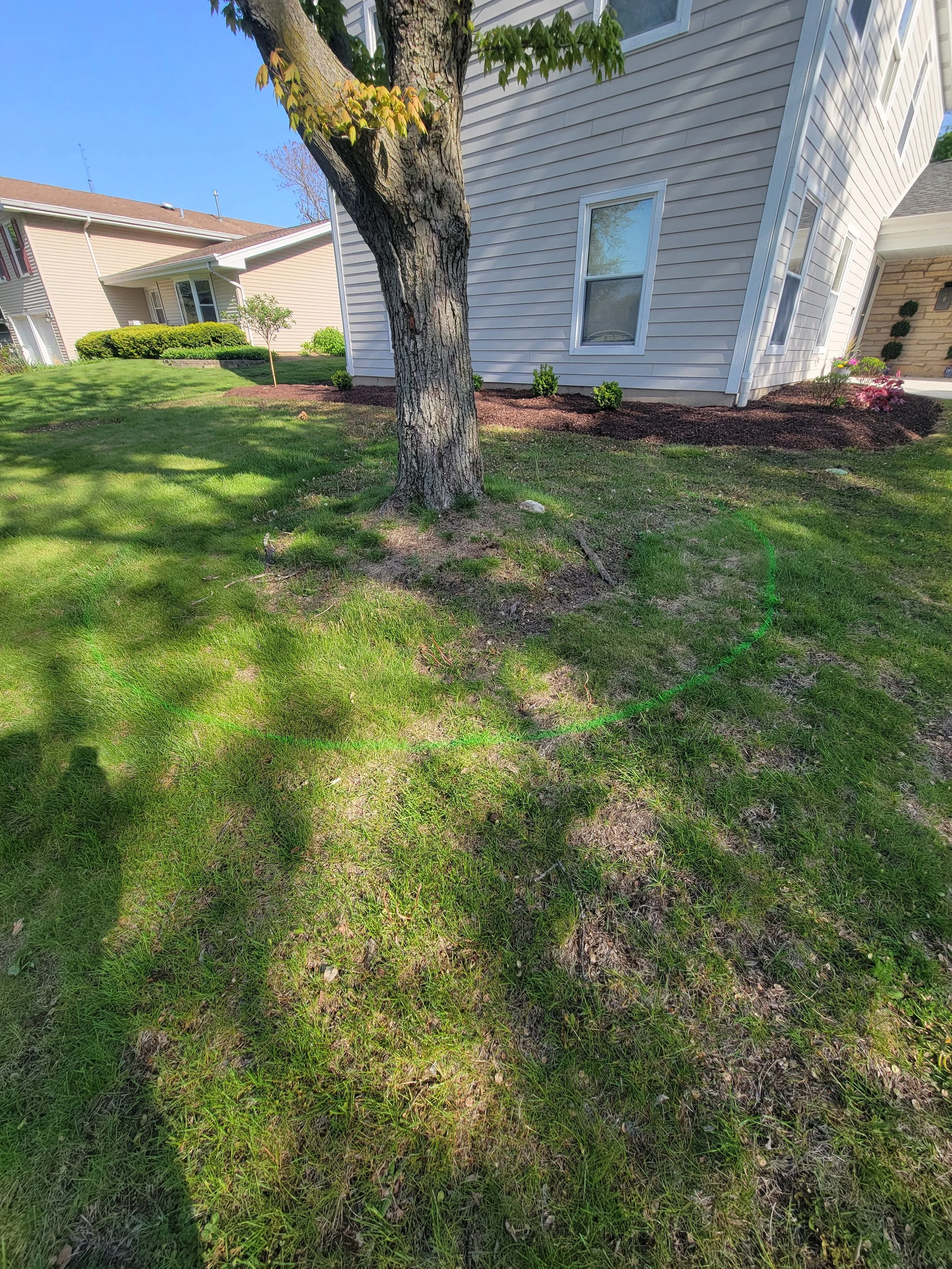
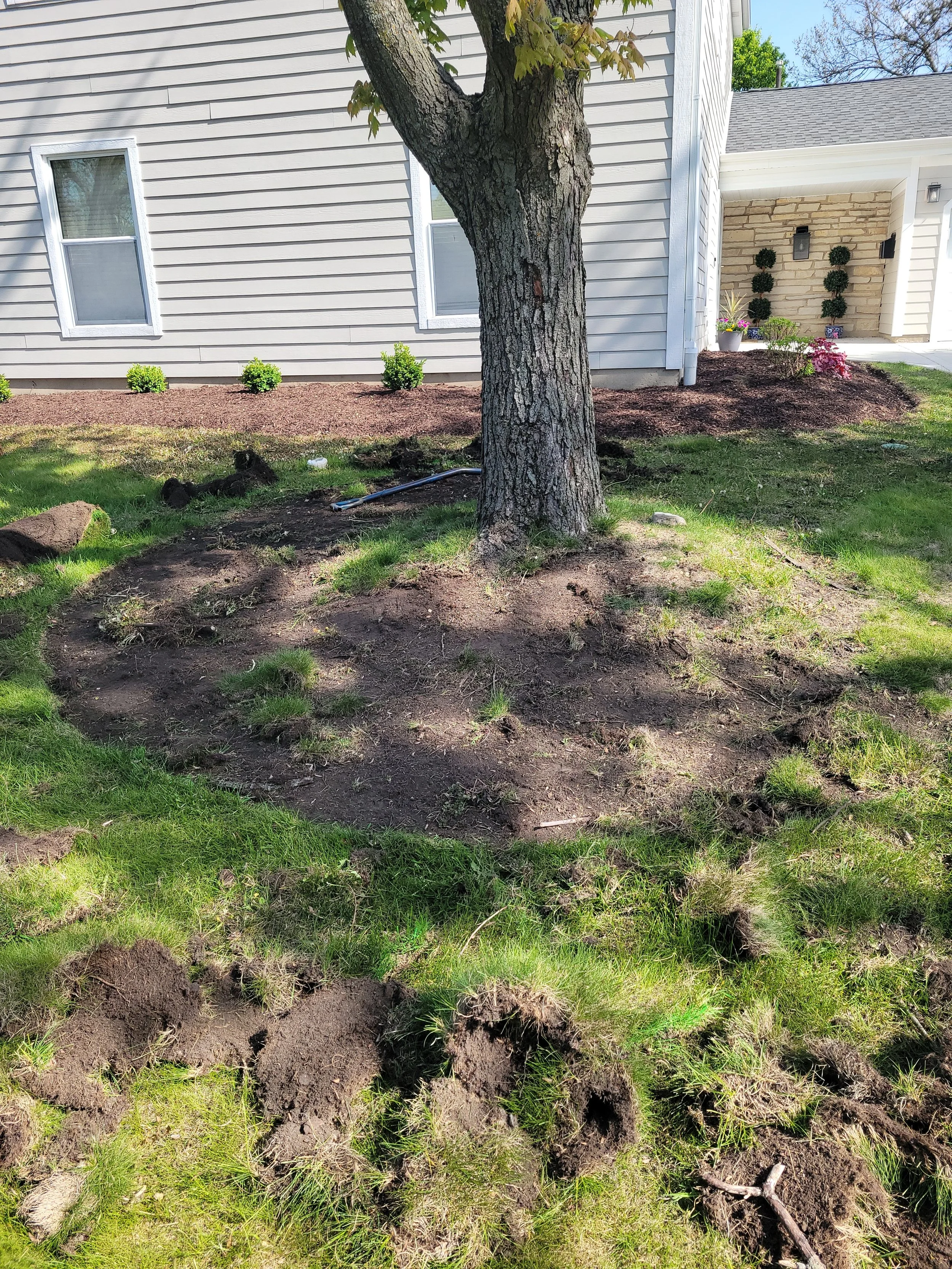
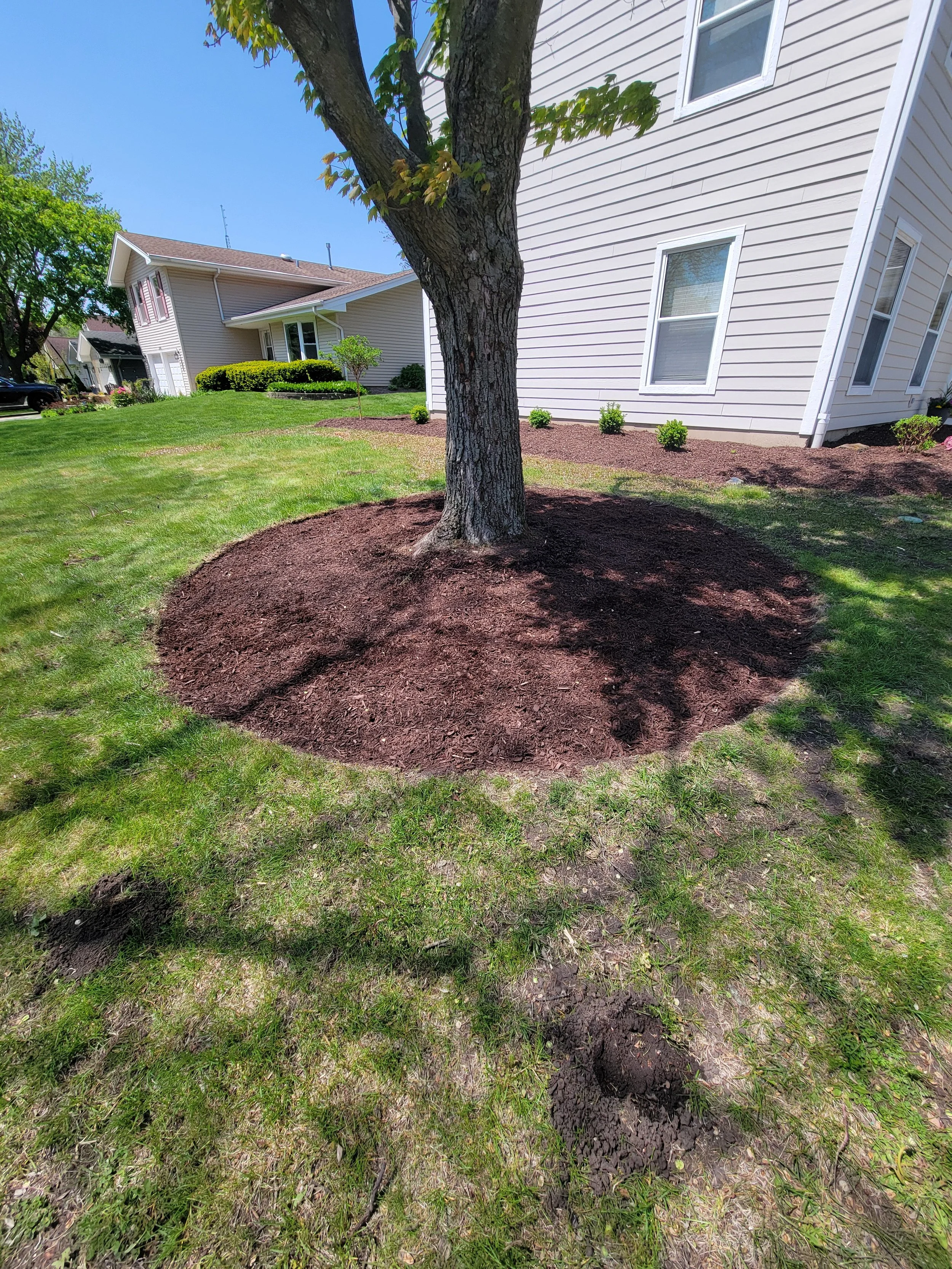
Restoring Soil Health Through Decompaction
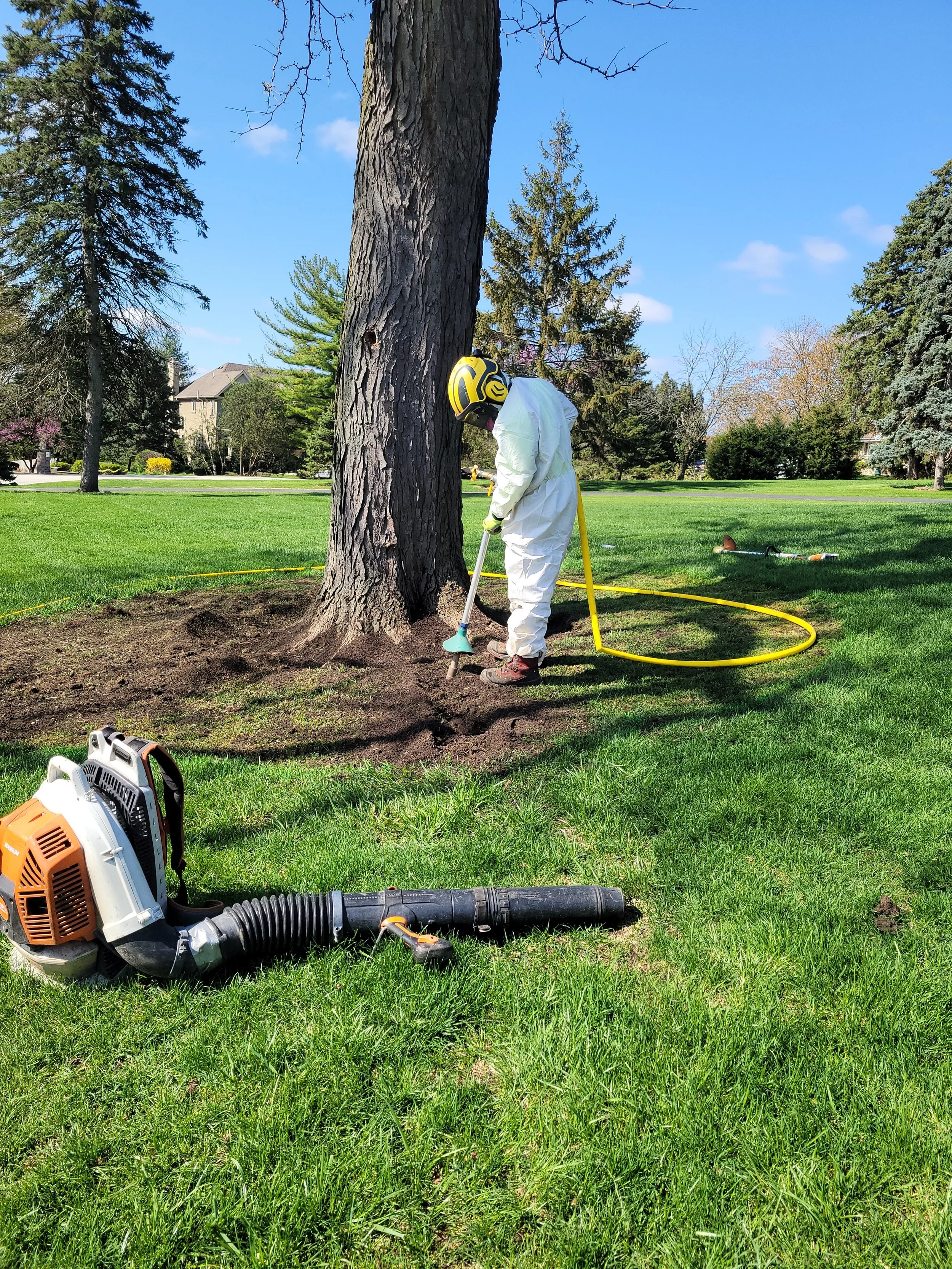
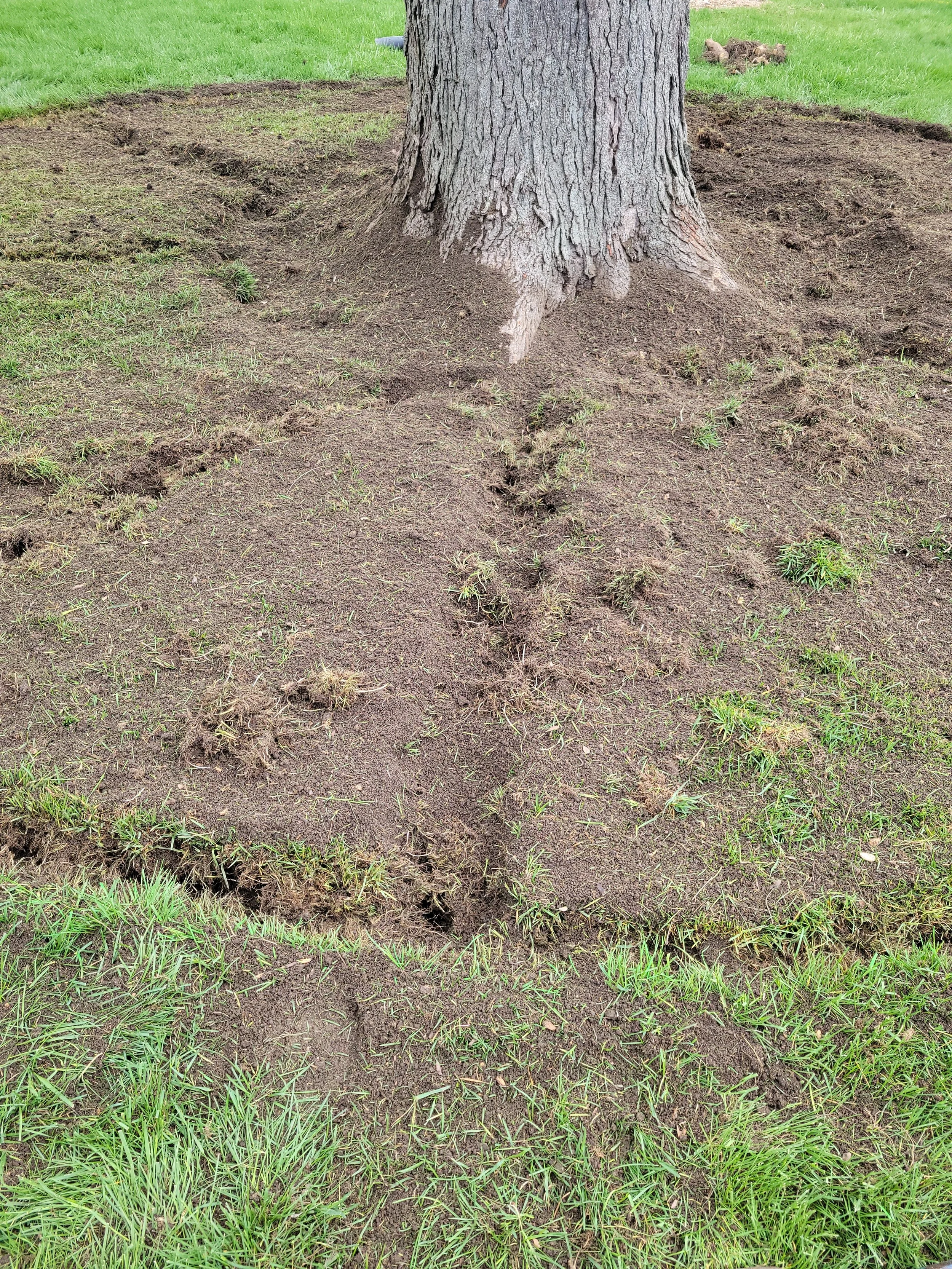
Over time, soil can become compressed due to foot traffic, construction, or natural settling. Soil decompaction is the process of mechanically loosening compacted soil to restore its structure and functionality.
By creating fissures, gaps, and air pockets, decompaction improves:
Nutrient Uptake: Roots can access essential nutrients more effectively, promoting healthier plant growth.
Water Movement: Loosened soil allows for better drainage and absorption, preventing runoff and pooling.
Invertebrate Movement: Beneficial organisms like earthworms can navigate the soil, enhancing aeration and decomposition.
Healthy soil is the foundation of a thriving ecosystem. Decompaction helps rejuvenate landscapes, making them more resilient, sustainable, and capable of supporting vibrant plant life.
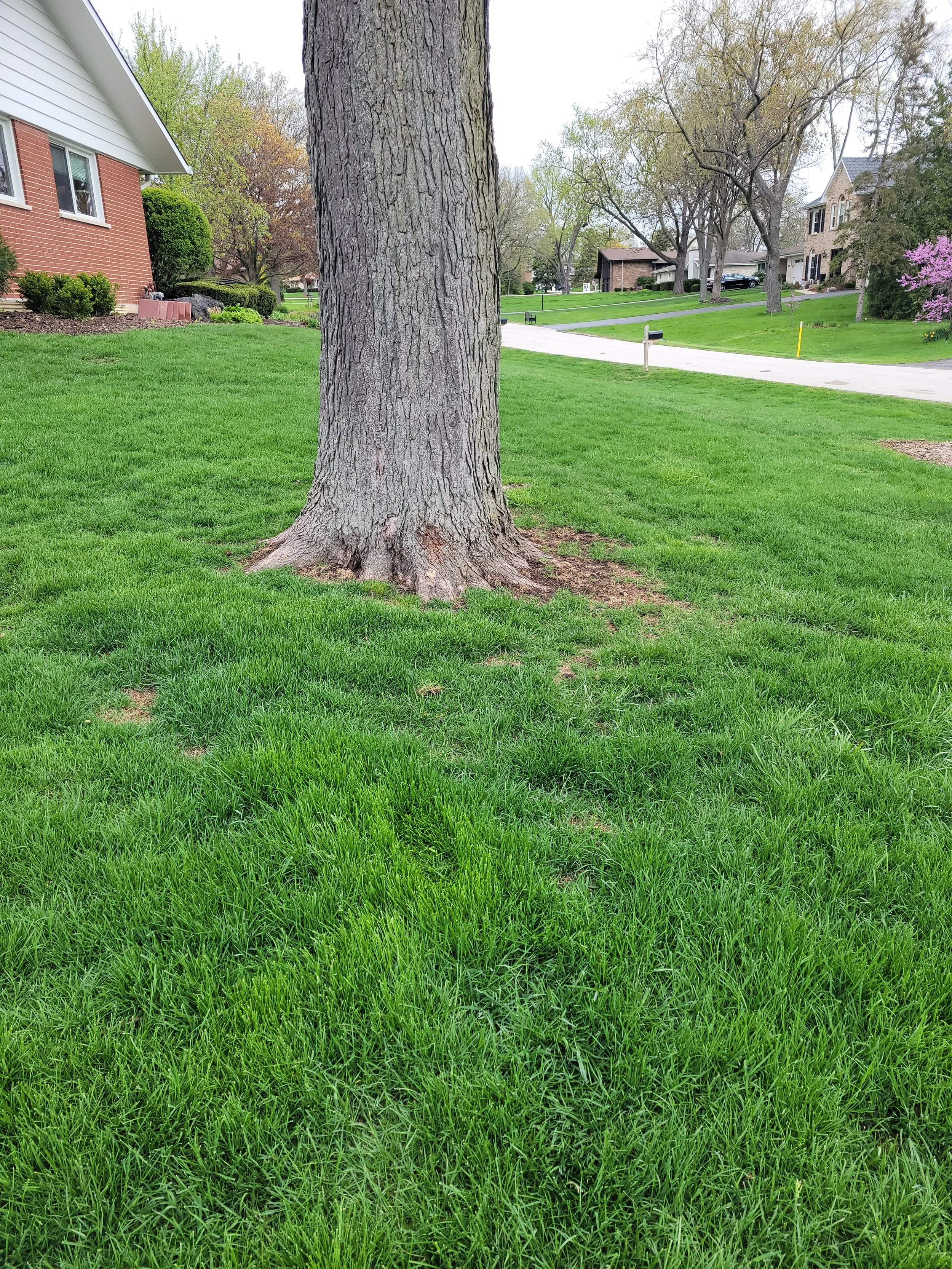
Root inspection: Root Collar Excavation
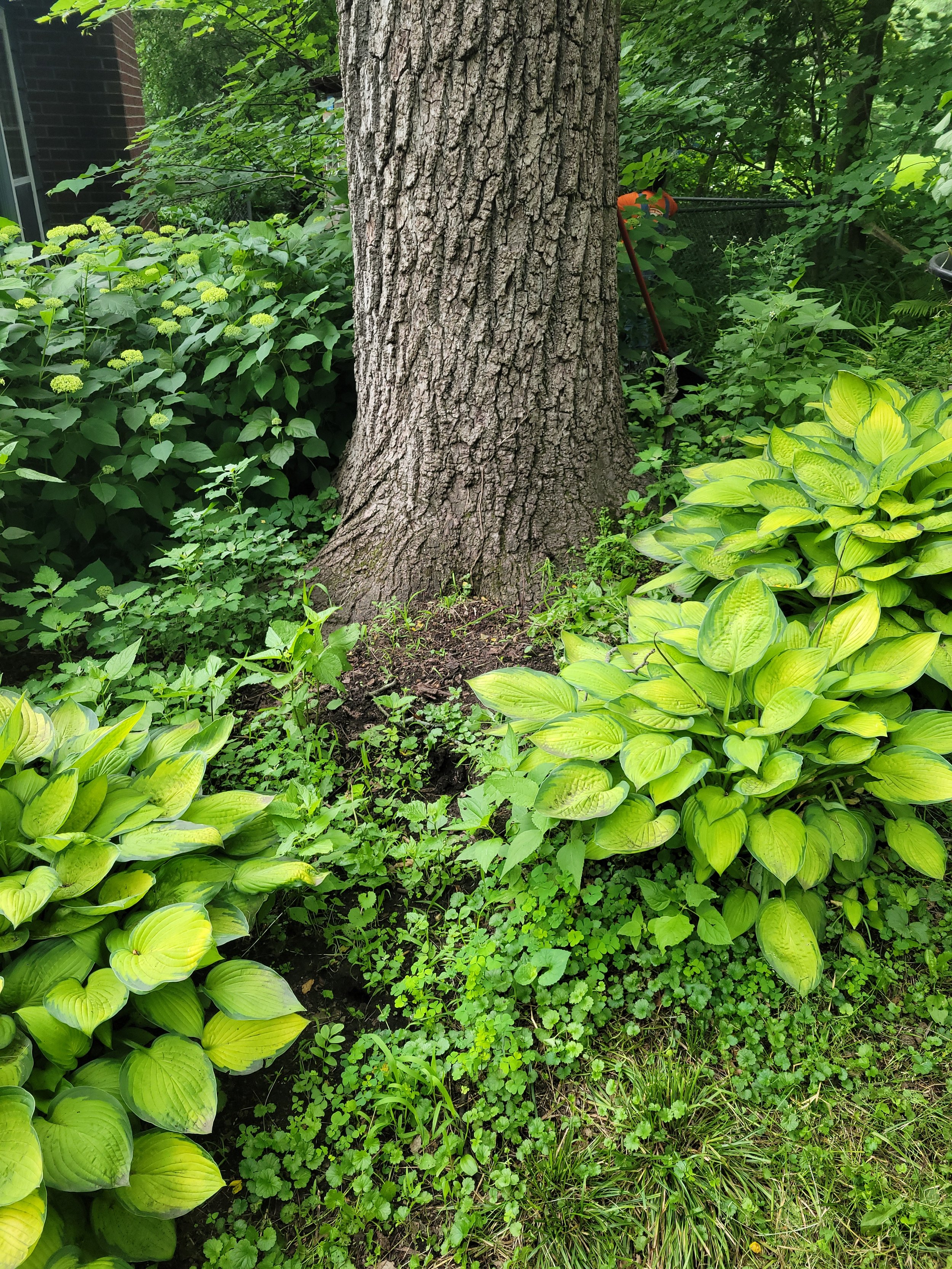
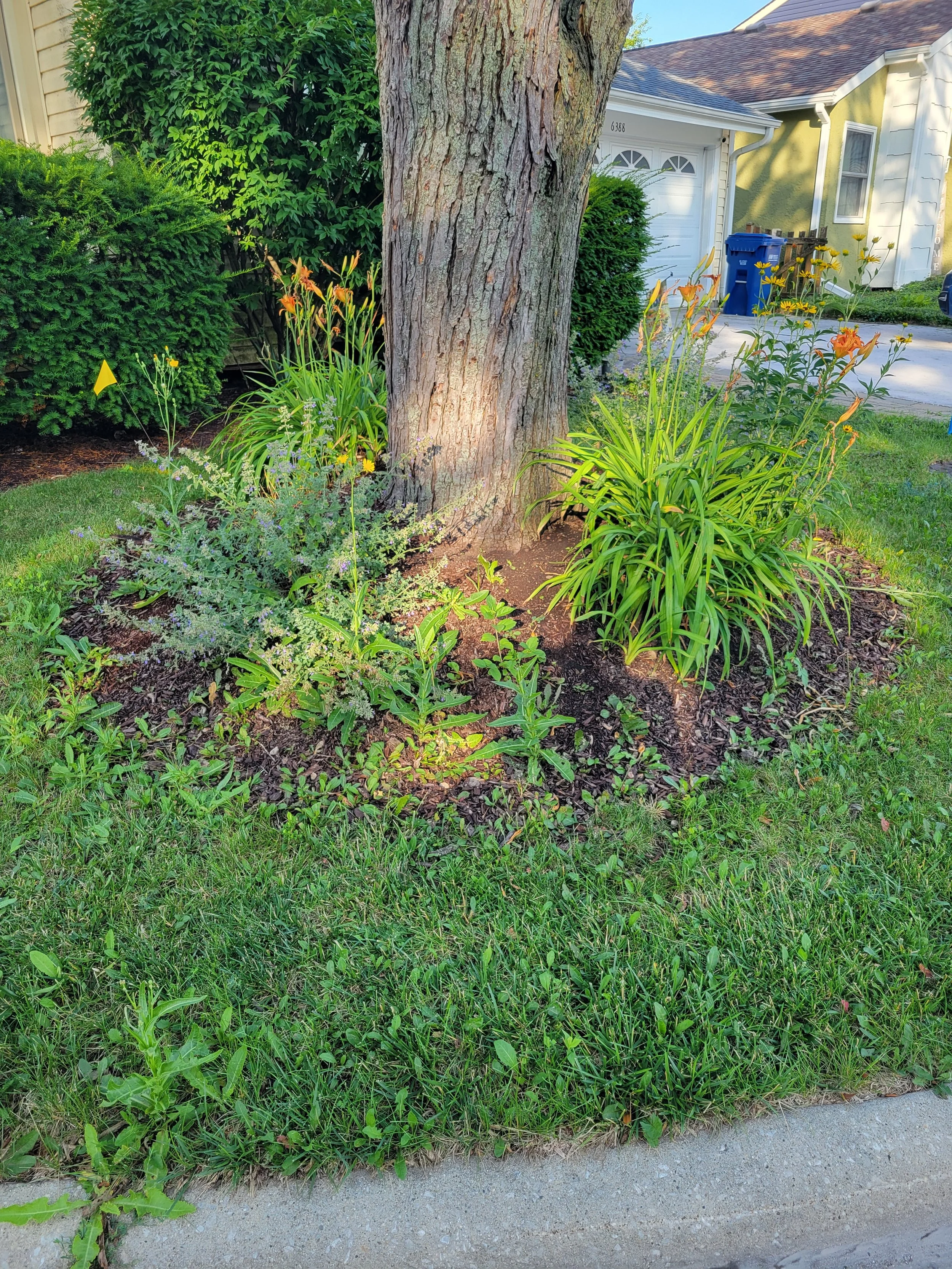
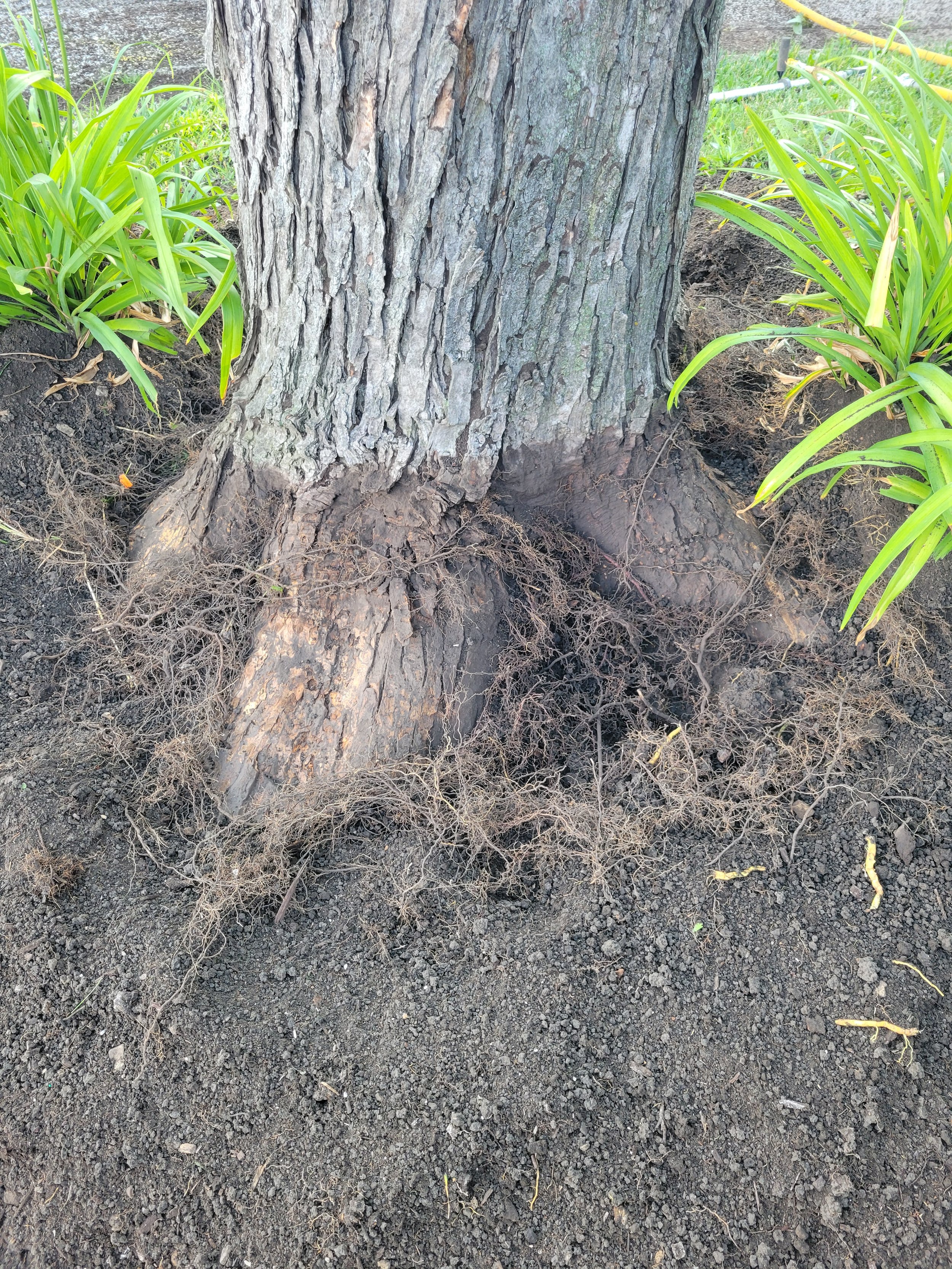
Trees need room to breathe, especially their roots. Over time, soil, mulch, and debris can build up around the tree’s base, covering the root collar (the area where the trunk meets the roots). This excess buildup can trap moisture, leading to decay, disease, and weakened tree health.
Another common issue is girdling roots, which occur when roots grow in a circular pattern around the base of the tree rather than spreading outward. These roots can choke the tree, restricting its ability to absorb water and nutrients properly.
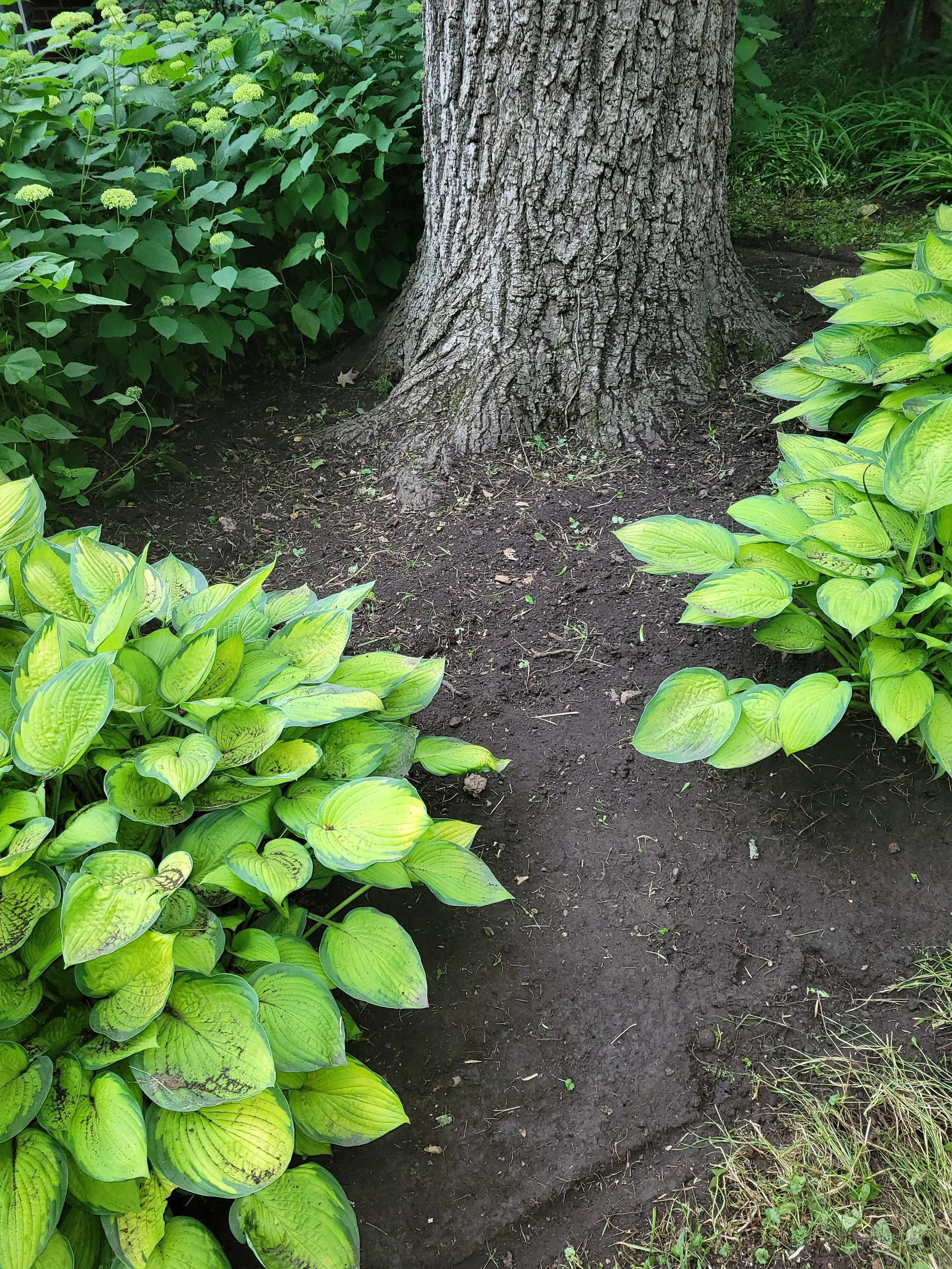
Root collar excavation is a process that carefully removes excess soil and debris, exposing the natural base of the tree while addressing girdling roots. This allows for:
Better air circulation around the roots, reducing the risk of rot and disease.
Improved nutrients and water absorption, helping the tree grow strong and healthy.
Protection against pests, which often thrive in overly moist, buried areas around the trunk.
Relief from girdling roots, preventing them from strangling the tree and impeding healthy growth.
Think of it as giving your tree a fresh start—allowing its roots to function properly, support stable growth, and prevent long-term damage.
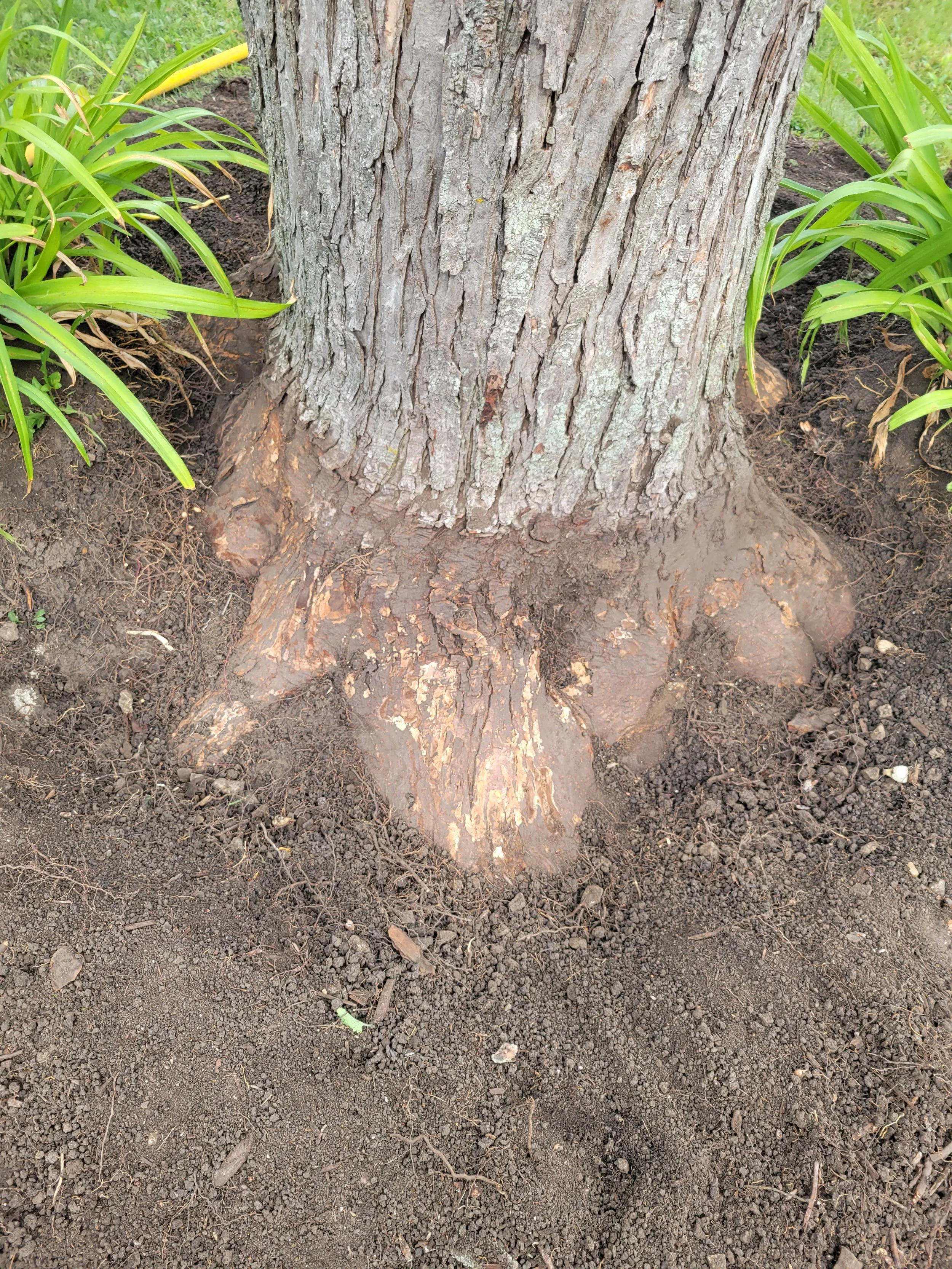
AIR SPADE Precision Excavation with Air Spade Technology
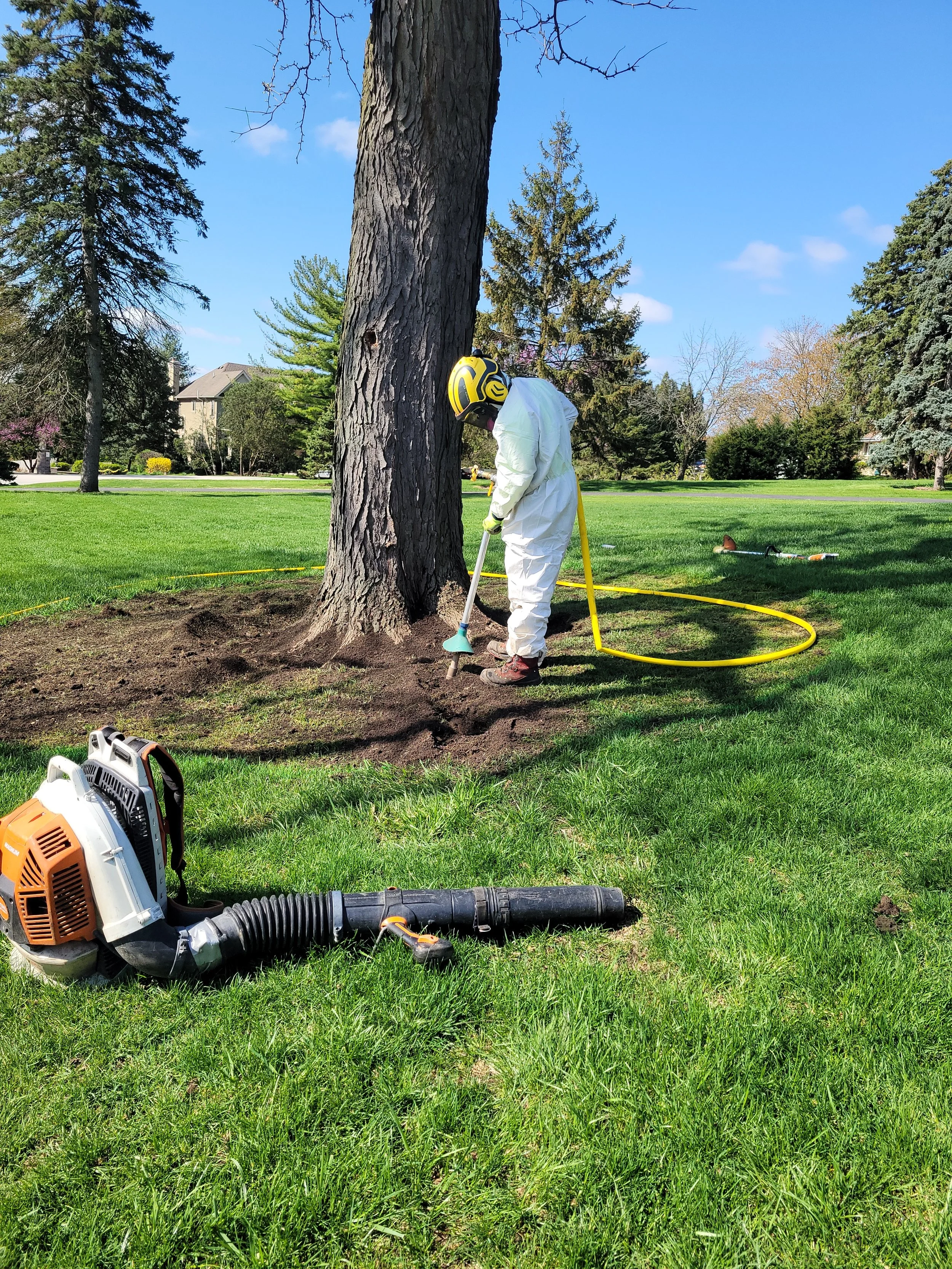
Digging near trees can be tricky—traditional methods that often damage delicate root systems, leading to long-term health issues. Air spade technology offers a safe, non-invasive way to excavate soil, protecting tree roots while allowing essential installations.
How Air Spade Services Help:
Tree Root Exploration: Identify and map root locations before construction or landscaping to prevent unnecessary damage.
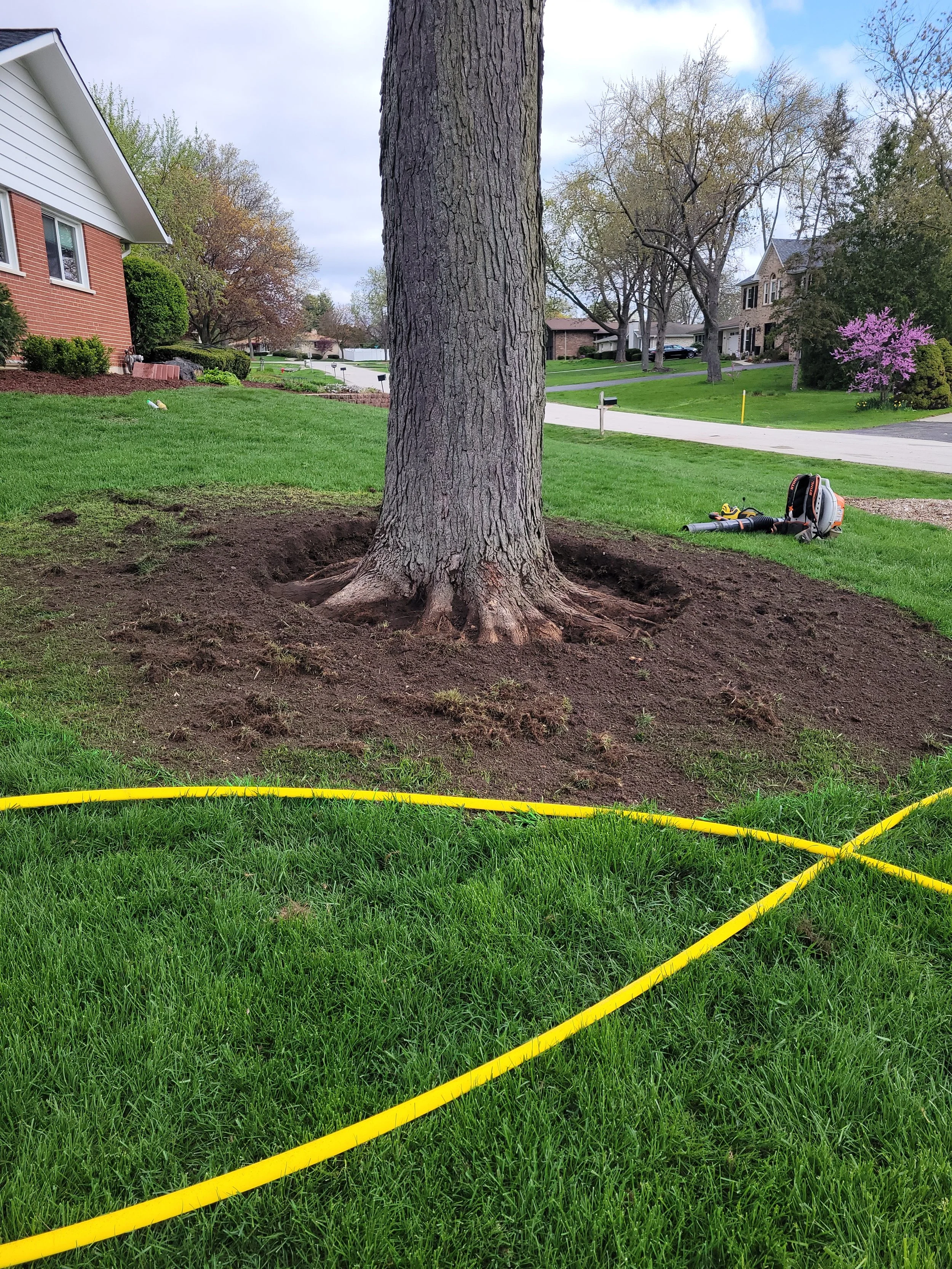
Root Collar Excavation: Safely remove excess soil around the tree base, reducing risks of decay and disease.
Utility Installation: Install irrigation systems, drainage lines, and electrical wiring near tree roots without cutting through them, preserving tree health.
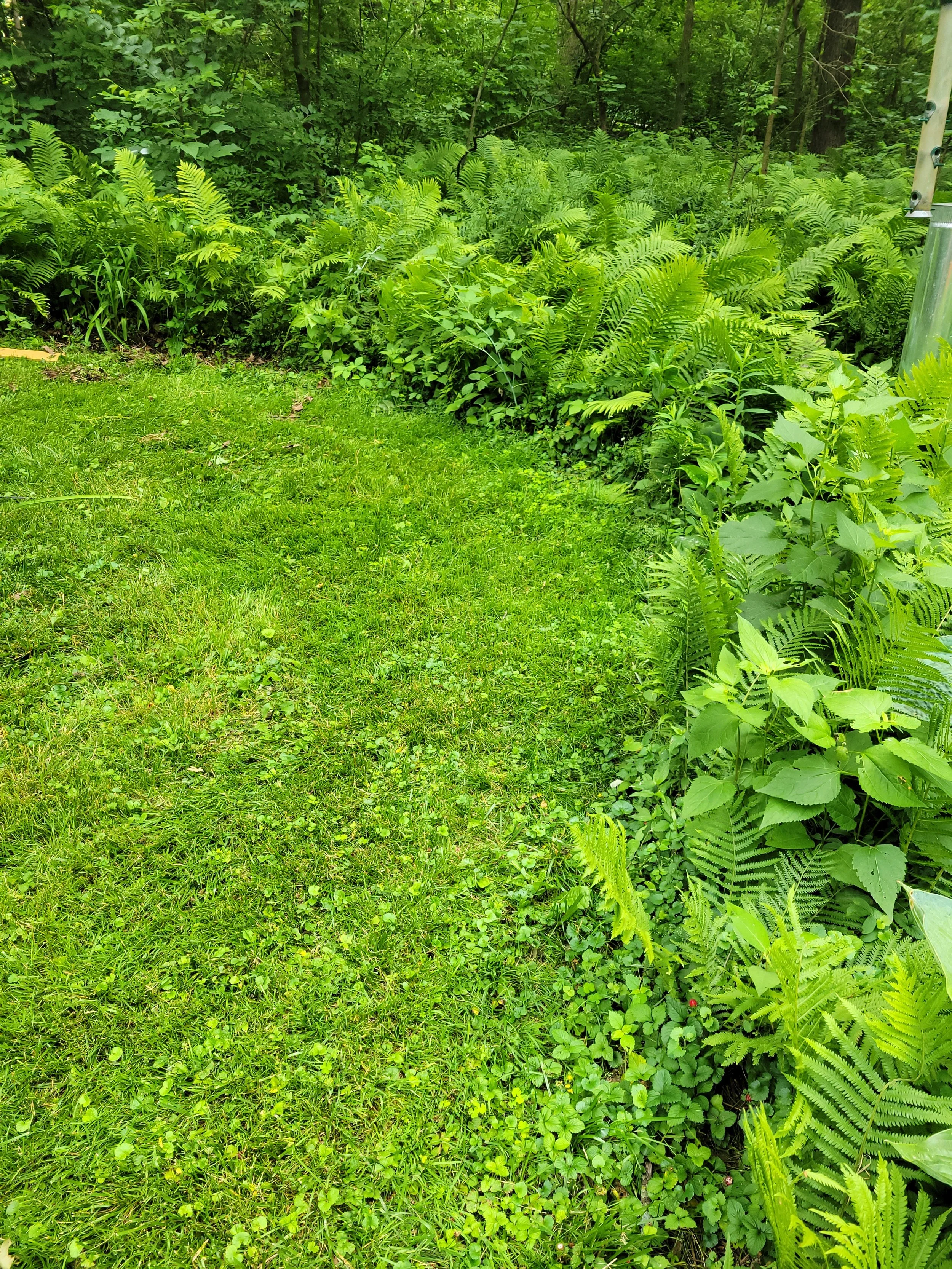
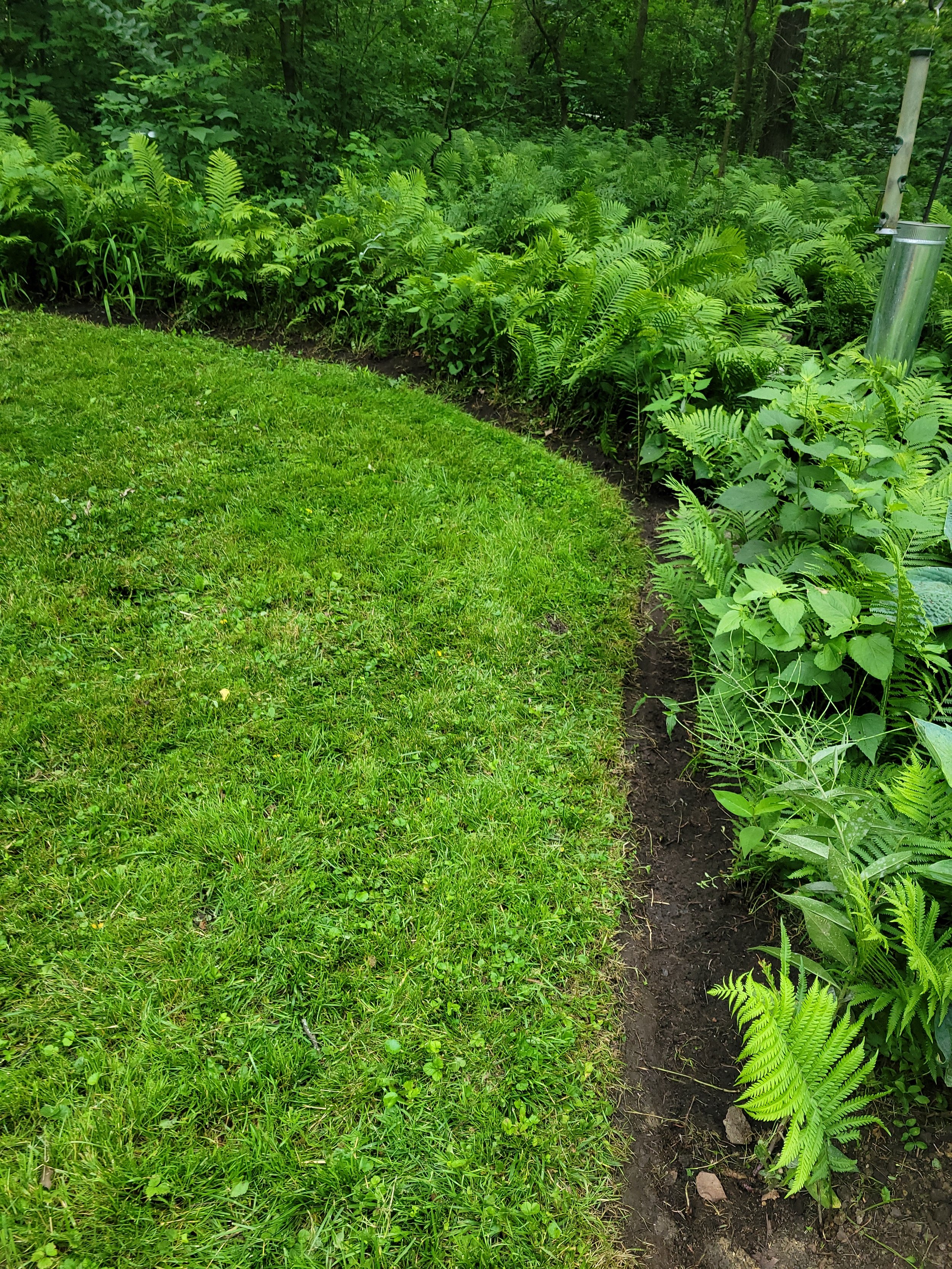
Garden Bed Edging: Create clean, well-defined edges around trees and garden beds without harming the roots, unlike conventional shovels.
Whether you’re planning an irrigation system, improving drainage, or installing underground utilities, air spade technology ensures precision excavation while keeping your trees safe and thriving.
Protect your landscape and trees with expert Air Spade services today.
Injection Safer Approach: Tree Injections
Prioritizing natural tree care tree injections as a last option
Healthy trees thrive when given proper soil, water, and environmental support. Whenever possible, we prioritize natural solutions, such as improving soil health, adjusting watering practices, and using organic pest management techniques.
but in cases where treatment is necessary, tree injections offer a more responsible and effective option than spraying.
Why Choose Injections Over Sprays?
Bee friendly unlike traditional spraying, injections don’t coat flowers or leaves, minimizing exposure to pollinators like bees and butterflies.
Targeted application: Injections deliver nutrients and treatments directly into the tree, reducing chemical runoff into the soil and surrounding plants.
Better absorption: Treatments move through the tree’s system, ensuring long-
lasting protection with less waste.
Minimized drift: Sprays can spread beyond the intended area, affecting beneficial insects and nearby plants, while injections stay contained within the tree.
When tree health requires intervention, injections provide precision care while keeping pollinators safe making them the preferred choice for eco conscious tree management.
Healthy trees, thriving ecosystems protecting both with smart tree care.
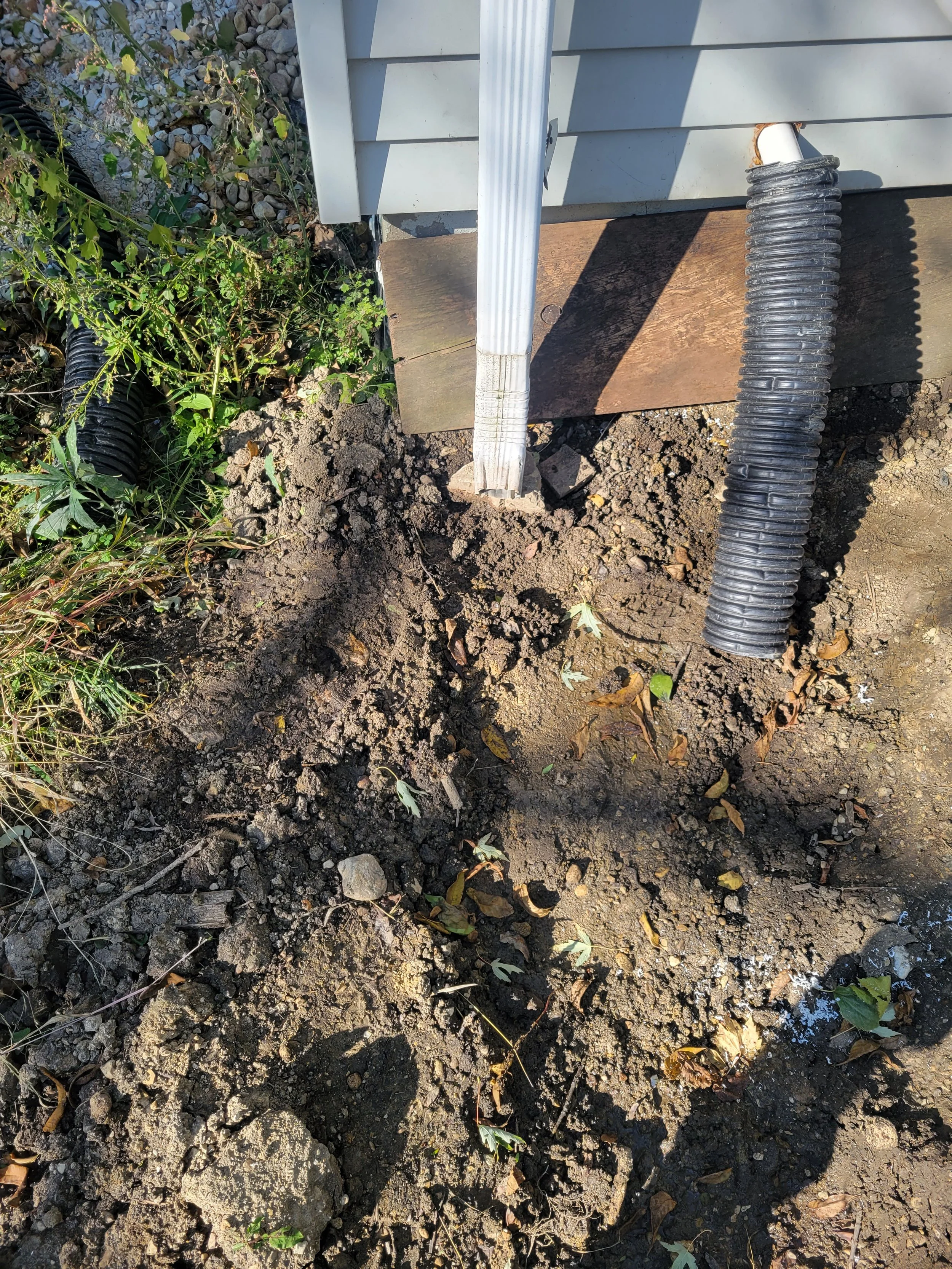
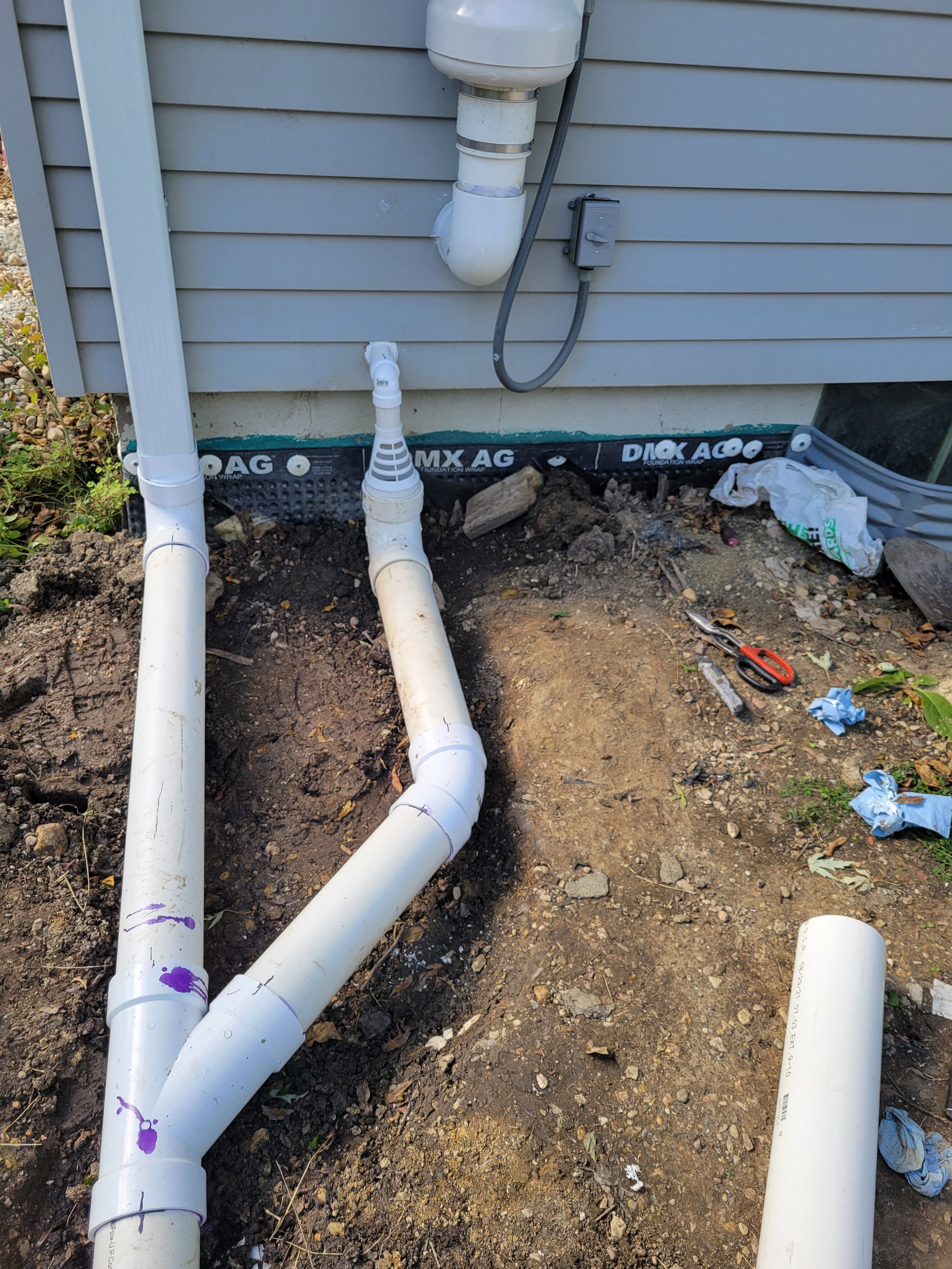
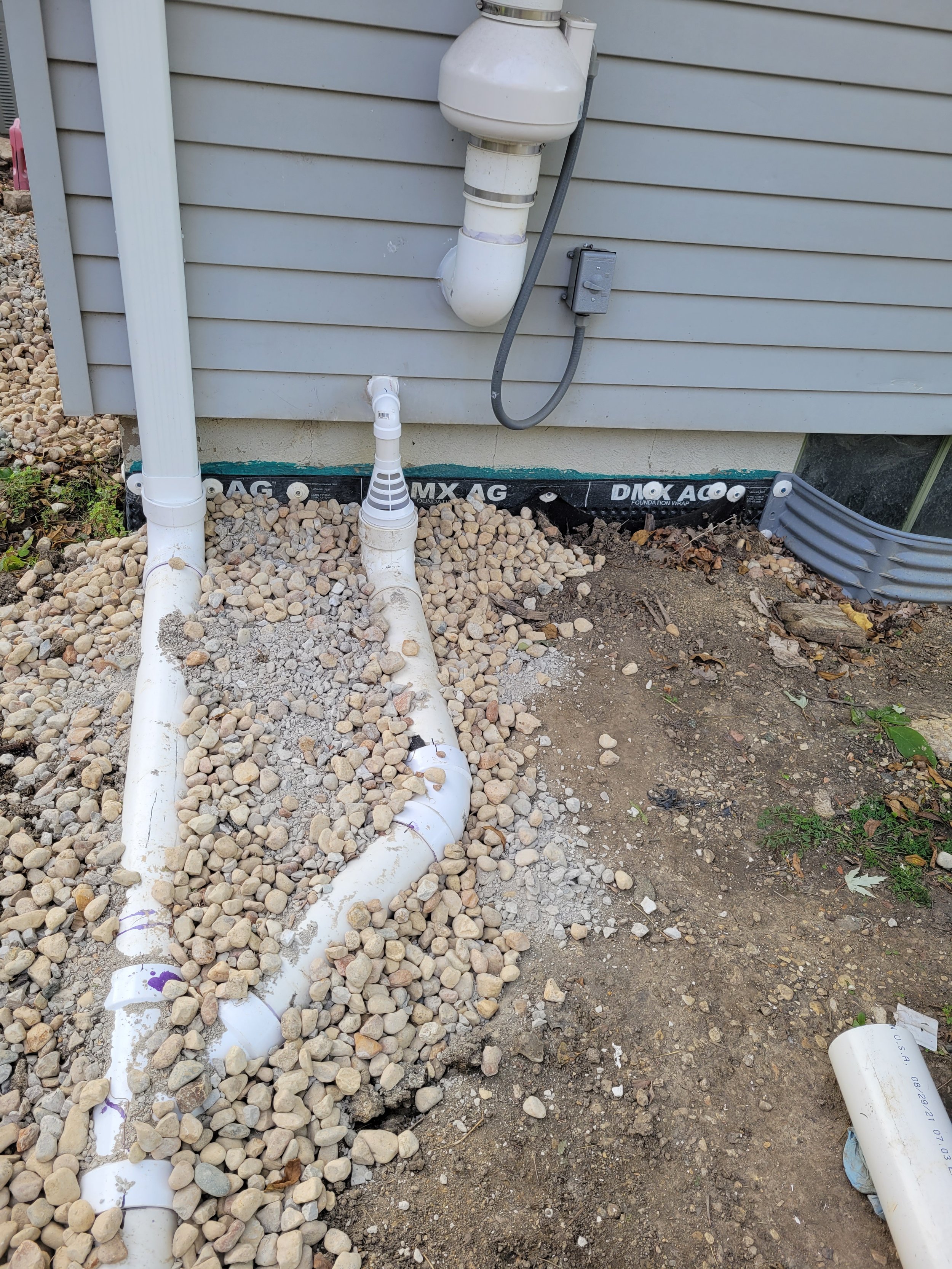
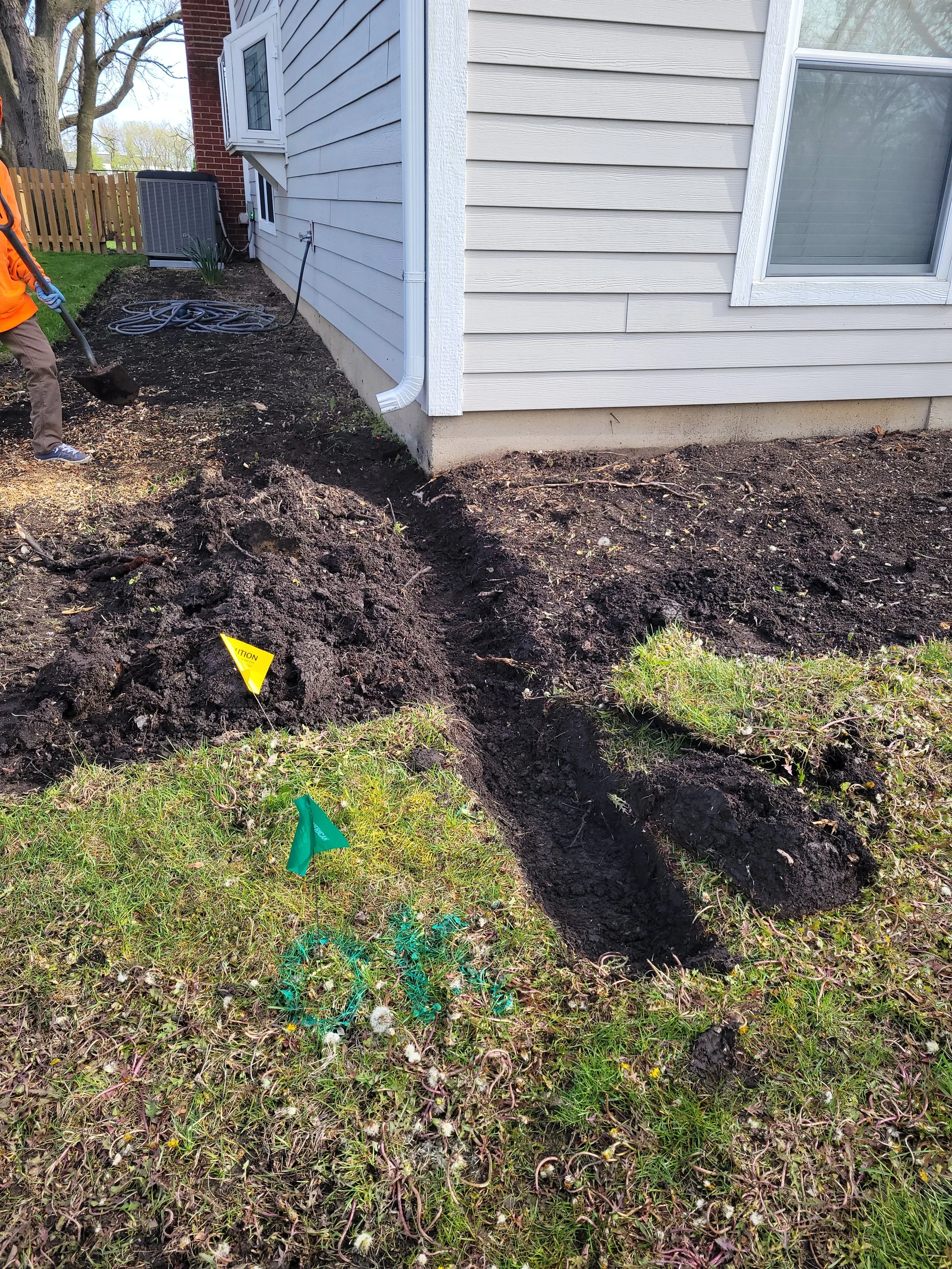
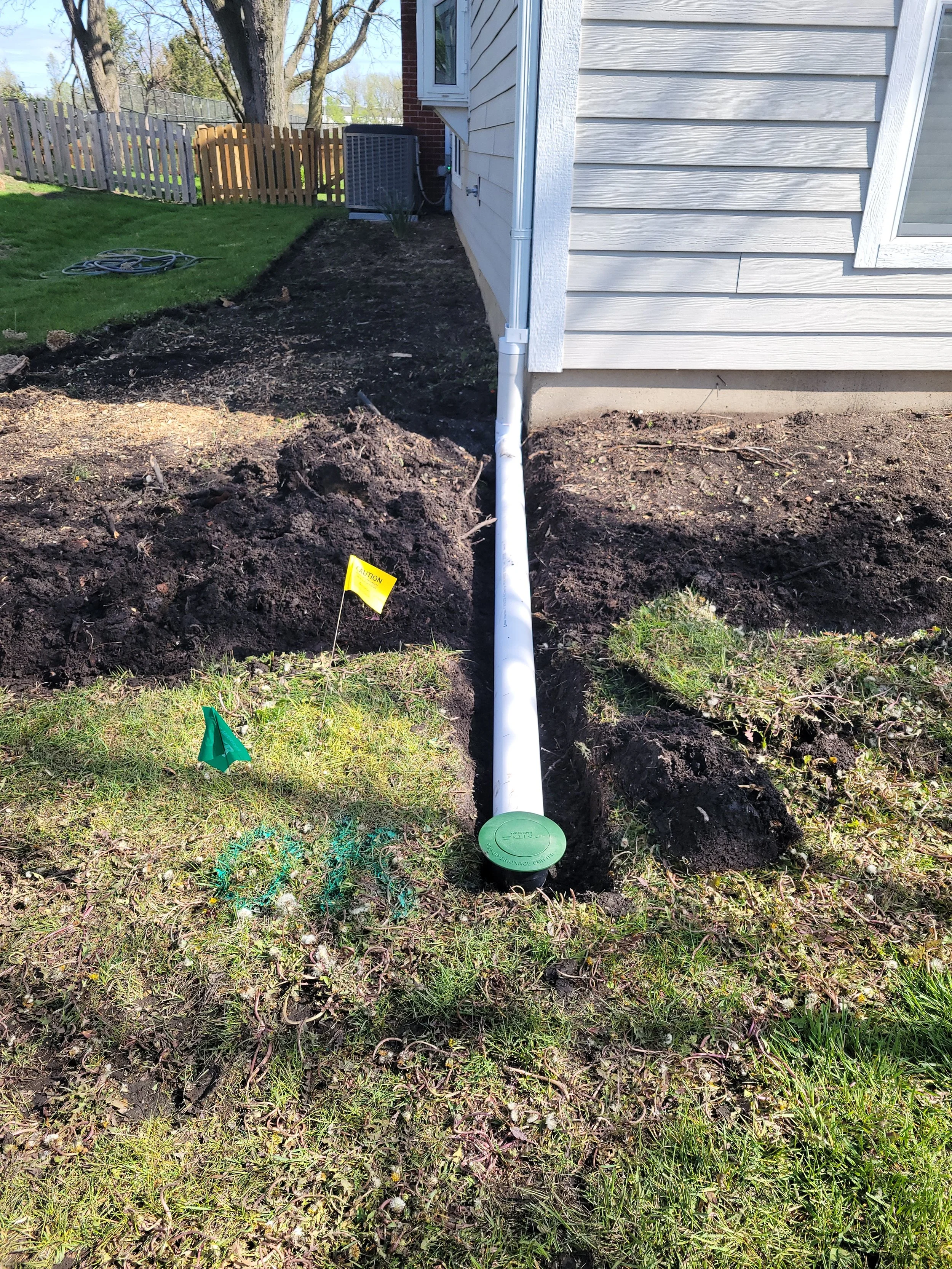
Prevent water damage with smart drainage solutions
Excess water in your yard can cause serious problems damaging tree roots, weakening your home's foundation, and creating soggy, unusable spaces. Proper drainage helps divert water away, keeping your landscape dry and stable.
Why Drainage Matters:
Protects tree roots: Too much water can suffocate roots, leading to rot, disease, and instability.
Preserves your home’s foundation: Standing water near your house can weaken the structure, causing cracks and costly repairs.
Prevents soil erosion: Helps stabilize the ground, preventing washouts and uneven surfaces.
Stops pooling and flooding: Keeps your yard from turning into a swamp after heavy rains.
Professional Tree Pruning for Health & Longevity
Proper tree pruning isn’t just about removing branches it’s a critical practice for maintaining tree health, structure, and long-term resilience. Thoughtful pruning enhances growth, prevents disease, and reduces safety risks.
Why tree pruning is essential:
Strengthens Tree Structure: Removing weak, damaged, or crossing branches encourages strong, balanced growth.
Boosts Health & Disease Resistance: Cutting away diseased or decaying limbs prevents infections from spreading.
Improves Airflow & Sunlight Exposure: Helps trees receive proper light and ventilation, reducing fungal growth.
Promotes Growth & Longevity: Pruning supports healthy root development and allows trees to allocate nutrients more effectively.
Increases Safety: Removes hazardous limbs that could fall during storms, preventing property damage or injury.
Each tree has unique needs, which is why precision pruning is tailored to enhance both its health and aesthetic appeal.
Give your trees the expert care they deserve healthy pruning means stronger, longer lasting trees.
Weed management and garden bed maintenance
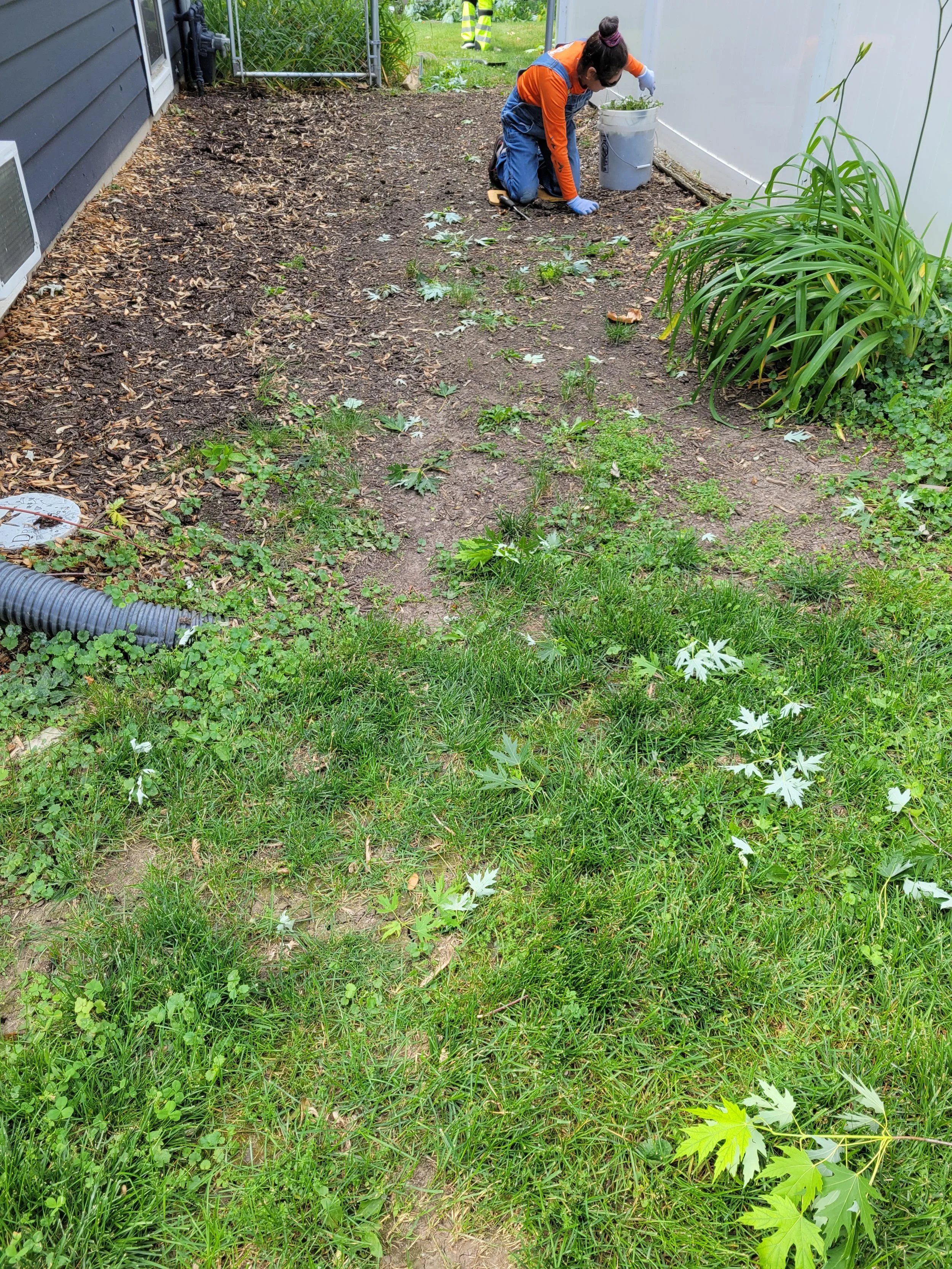
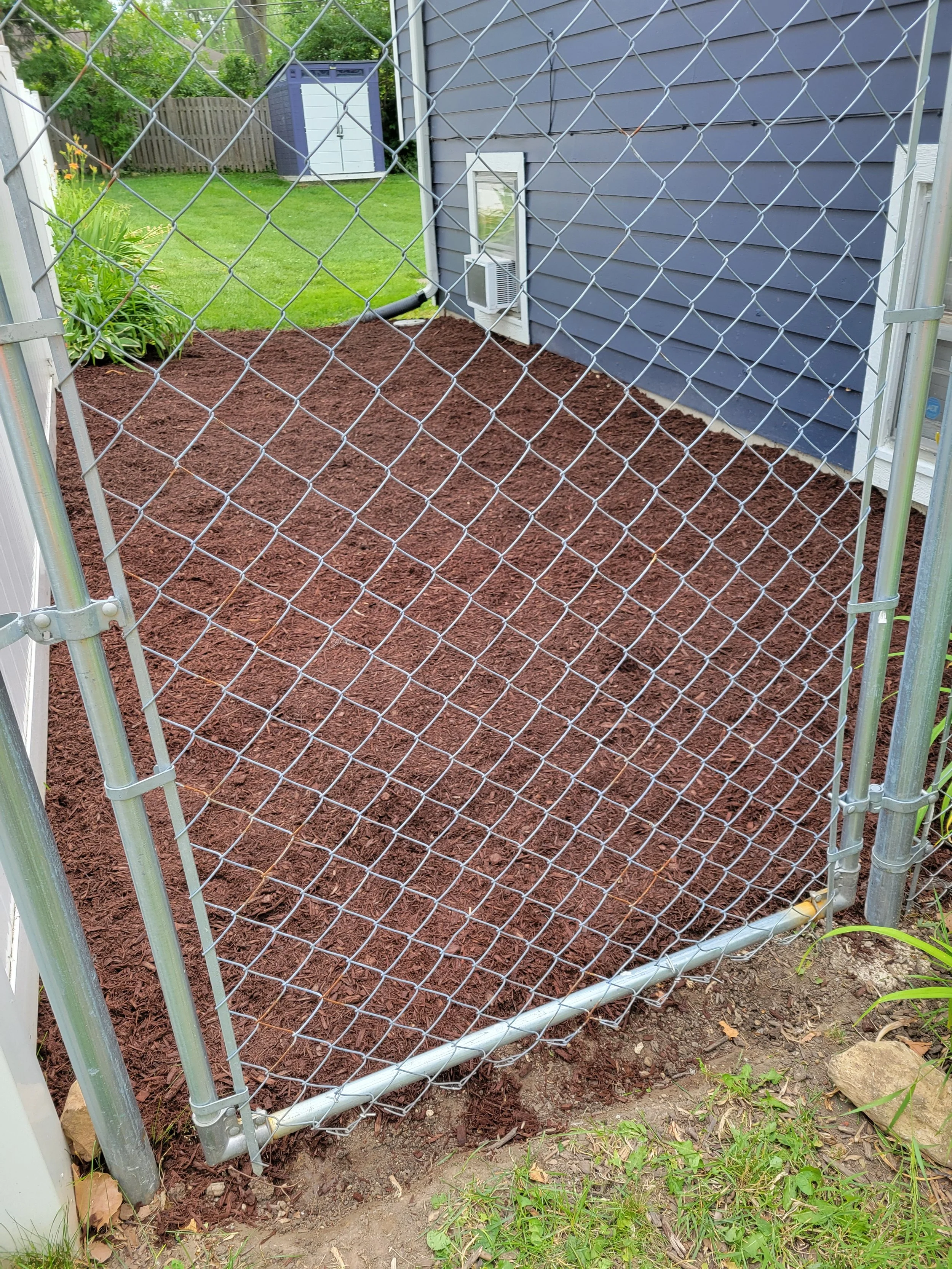
Maintain a clean, healthy, and attractive landscape with our professional weed management services. We use selective hand weeding and soil‑friendly techniques to remove unwanted growth without disturbing your plants. Our approach supports long‑term plant and tree health while keeping your garden beds neat, tidy, and thriving.